*A correction has been made to the headline and article. A previous version said the Muslim Student Association was new and created by Huda Shafi. The MSA has been established at the college for more than two decades, according to the adviser of the club, Mohd Ansari. Shafi revitalised the club after a two-year hiatus.*
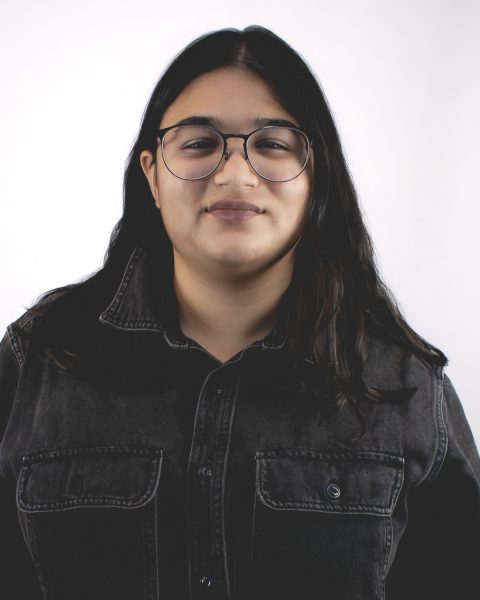
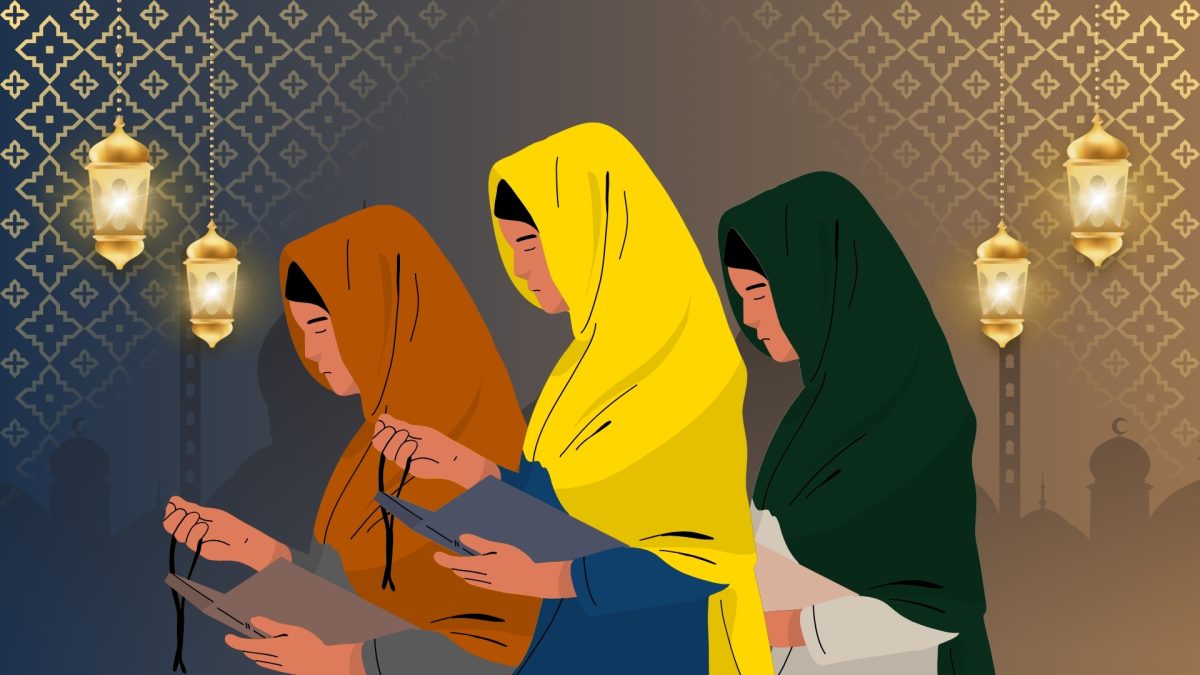
Huda Shafi, the president of the Muslim Student Association club, revitalised the MSA club, aiming to give people a better representation of Islam for a brighter future, and help them understand the faith of fasting during Ramadan, a religious practice where followers of Islam fast from sunrise to sunset. During their fasting, they spread messages of kindness and participated in activities such as feeding the homeless and practicing gratitude.
The Muslim community within Fullerton College creates a place to embrace themselves and represent their culture through members who are in Islam by hosting their own iftar parties and promoting people to visit the mosque to learn more about the religion.
“We want to have some speakers come in and give Islamic talks,” said Shafi.
Shafi wants to provide “a community for all Muslim students and non-Muslims,” and spread a positive message on the holiday of Ramadan. She also encourages them to ask questions about Islam and establish a place where Muslim students feel empowered and share ideas within the club.
Fullerton College currently has a prayer and meditation room available for students to use in the library. Students should check in at the Circulation Desk before use.
“We are planning to have a couple of iftars,” she said. “Its basically when we break our fast. It’s just a fancy way of saying dinner for us.”
Shafi said fasting is easy for her and she doesn’t feel the need to show other people that she’s fasting. She makes herself do it for her faith as a choice, and doesn’t let other people decide for her.
“Someone said to my face that Islam is sexist. I think it’s a huge misconception,” said Shafi. “People are taking a lot of things out of context from the Quran or the messages.”
Huda Jawad, a Muslim-based blog writer in the United Kingdom and co-founder of the Faith and Violence Against Women & Girls coalition, wrote in an article in Refinery 29 about her experience as a feminist woman in Islam.
“Religion, and therefore Islam, have been used by the privileged to consolidate power and accumulate wealth, resources, and control,” she wrote.
In her article, she writes about how women have come to identify with intersectional feminism. The Muslim women who identify with the label ground their arguments in their religion; they use the Quran as an endorsement of their beliefs.
“When we look at the Prophet Muhammad’s life, we see a man that sought the counsel of his wives, who encouraged the education of women and who established their rights,” said Sofia Rehman to Jawad.
Women who are affiliated with Islam are more likely to be endangered by any normal civilians, including Muslim states like Iraq and Syria, to legalize child marriage when the girls turn nine, and tell them that their job is working as a stay-at-home mom/maid. This makes job options limited to them as they grow older.
However, Mohammad Akram Nadwi, an Islamic British scholar, witnessed women teaching hadith classes to both male and female students in mosques and colleges. Hadith are oral traditions that record the sayings, actions, and silent approvals of the Prophet Mohammad.
The women would issue fatwas, or rulings on a point of Islamic law, interpret the Quran and challenge the rulings of the qadis, the Islamic judges responsible for interpreting and applying Sharia law. The women would also preach to people to reform their ways, according to the Australian Broadcasting Corporation article by Susan Carland.
Nowadays, Muslim Student Associations are inspiring other people to research Islam and encourage people to come participate in their community iftar at their local mosques and invite their non-Muslim friends to join the fun.